

Alcohol Detox Home - Tips For Staying Sober
If you're not careful, detoxing from alcohol can be risky. It is best to talk to a doctor to assess your situation and give you guidance.
medical alcohol detox detox isn't recommended due to the risks that can be triggered by withdrawal symptoms such as seizures and delirium of tremens (DT). However, there are some strategies that can assist you in achieving an at-home detox that is safe.
Make Alcohol Access Difficult
Alcohol is among the most prevalent and dangerous substances around the world. It can cause health issues, social problems, and addictions. People who are addicted to alcohol can often find it difficult to stop drinking without help. Even if they do their best to overcome their drinking issues, many will need medically supervised detoxification.
Numerous studies have shown that home detoxification is just as safe as hospital treatment. However the success of this kind of treatment depends on several factors. First, the patient must live in a stable environment. They must have a solid support system and be free of distractions. They should be prepared to endure several weeks without alcohol. They should have a plan in place if they experience withdrawal symptoms or relapse.
If someone decides to detox at home, they should empty their homes of any alcoholic beverages. Additionally, they should stay away from being around people or relatives who might encourage them to drink. They must also be occupied with activities that keep their minds away from drinking. Additionally, they should eat well and take supplements to supply their body with the nutrients it requires during the detox phase.
Someone who is trying to detox at home should also take a lot of sleep. This will allow the body to recover from the effects of drinking alcohol, and will also improve mental health. In addition, they should try to eat foods high in vitamin C. This can help cleanse the liver and speed up the detox process. It is also important to drink plenty of water during this time.
Alcohol addicts should never try to detox themselves at home without the aid of a physician. The withdrawal from alcohol can be extremely hazardous and can lead to seizures, hallucinations and other life-threatening symptoms. It is best to seek medical help in an the presence of a medical professional who can examine withdrawal. In addition, they can prescribe medication to help with your withdrawal symptoms.
Reduce Your Alcohol Use
Many addicts to alcohol opt to detox at home, rather than go through an inpatient facility. This is a safe option provided the proper steps are followed. This means that you should not drink alcohol during detox, abstaining from using any other substances and seeking medical assistance following the detox. A doctor can also track symptoms to ensure that the patient does not have Post-Acute Withdrawal Syndrome. PAWS can lead to depression, lethargy and other long-term effects that make it hard to function.
One of the most important things you can do is to eliminate any alcoholic drinks from your house. This will make it more difficult for you to get these drinks and increase your odds of success with a detox. You should also avoid alcohol stores and bars, and alter your routine so that you are not at risk of being enticed to drink. It is also advisable to ask friends or family members to check on your progress during your detox to provide support and make sure that you're not drinking.
You can also minimize withdrawal symptoms by decreasing your consumption of alcohol. This involves gradually reducing the amount of alcohol you consume over a long period of time. There are two ways to do this either a direct taper or a substitution taper. detox alcohol home decreasing your drink intake over time, while a substitution taper involves substituting alcohol-rich drinks with alternatives that are low in alcohol. This can be more time-consuming than simply ceasing drinking cold turkey, but it could be more bearable and less likely to cause severe withdrawal symptoms.
In addition to cutting down on your alcohol consumption, it is important to stay hydrated. This will prevent dehydration which can lead to fatigue and headaches and nausea. Avoid foods that are high in sugar or fat, as they can trigger alcohol cravings.
Meditation and mindfulness are effective tools for overcoming cravings. These techniques have been shown to decrease cravings for alcohol and aid in sustaining their sobriety over the long-term. It is also a good idea to do plenty of exercise, which can reduce stress, improve mood and boost the immune system.
Keep Yourself busy
To stay sober, you must keep yourself busy. A good night's sleep is essential for a healthy lifestyle, but there are many other activities you can engage in as well. You can distract yourself from alcohol by engaging in activities, volunteering or even work. You can also make lists of goals you would like to accomplish and then mark them off as they are achieved. This will give you a sense of achievement and something to look at.
Another method of staying sober is to get enough rest which is a key aspect of removing alcohol from your body. Sleep helps the body recover and, when you're getting enough of it your brain is in recognizing the buildup of toxins and sends signals for them be eliminated.
It is important to eat nutritious, balanced meals at this time. It is important to stay away from sweet foods and eat lots of vegetables and fruits which are packed with minerals and vitamins that can aid in your detox. Drinking lemon water can aid in the detox process since it can stimulate the liver and speed up the detoxification.
It is also important to keep a distance from any enablers or drinking advocates in your life. They do not support your sobriety and could even attempt to lure you into drinking. You must surround yourself with supportive family members and friends who will support you during your detox.
You can go through an alcohol detox at home if have a plan and are ready to tackle the challenges. If you follow the right path you can conquer your alcohol addiction and take a step toward a healthier, happier future. If you're struggling to stop drinking on your own, it's best to seek professional help and medical attention to ensure a safe and effective detox. Inpatient rehab centers offer 24/7 treatment and medications to treat issues that may cause an return. The program may also treat co-occurring disorders, such as anxiety and depression in addition to alcohol detox.
Get Help
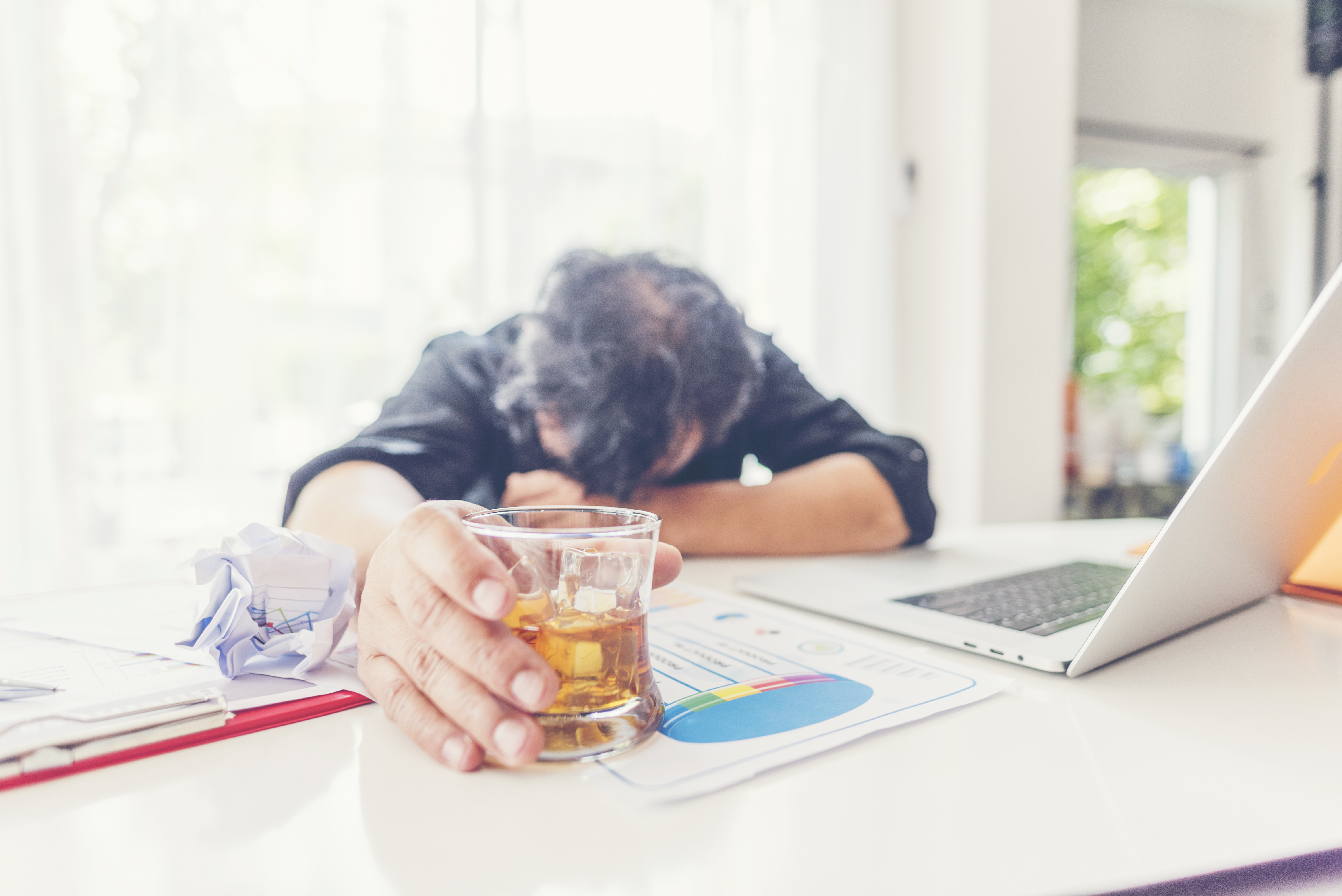
It is important to seek help from family and friends if are struggling with an alcohol addiction. This will assist you through the detox process and help you stay on the path to long-term sobriety. It is also crucial to find a support group, such as BetterHelp which allows you to connect with an addiction counselor and mental health counselor. This can be beneficial as it will allow you to speak to someone who can understand your situation and will provide you with a safe environment.
It is essential to drink plenty of water during your detox, particularly if you are experiencing nausea and vomiting. This is because it could lead to dehydration, which could cause a myriad of health issues. Try drinking water or other non-caffeinated drinks such as squash or tea. Avoid drinks that contain caffeine, because they can alter your sleep patterns, which are already likely to be disrupted by your withdrawal symptoms. Drinking lemon juice may help cleanse your liver and accelerate the process of detoxification.
It is essential to rest well during your detox from alcohol at home. This will allow your body to recover from the stress triggered by withdrawal symptoms. Getting enough sleep can also reduce your alcohol cravings and help you stay sober.
detox alcohol home 's also an excellent idea to do an exercise routine, as it can help ease stress and boost your mood. Additionally, it can also improve your cardiovascular health and lower your blood pressure. Some activities to consider include yoga, swimming walking, walking, and playing sports.
It's not a great idea to try an alcohol detox at home without medical supervision. This is because a sudden withdrawal from alcohol can trigger serious symptoms, including hallucinations, seizures, and heart failure. It is difficult to predict how you'll react at home to withdrawal symptoms. This is why it's a good idea to seek out an alcohol treatment center for detox from alcohol.